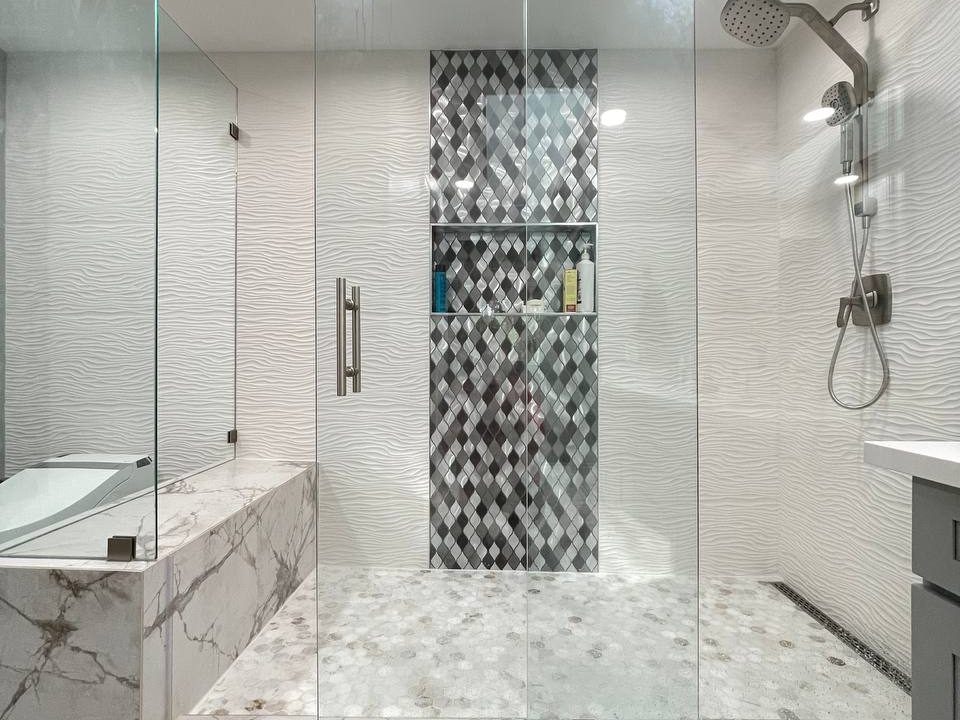
A bathroom remodel starts long before demolition. The strongest projects usually have clear decisions about daily use, moisture control, plumbing access, material choices, and schedule expectations before anyone prices the work.
This checklist is written for Seattle-area homeowners who want a realistic scope, not a vague inspiration board. Use it before you request a quote, compare options, or decide whether a small refresh is enough.
Start with how the bathroom needs to work
The best-looking bathroom can still feel wrong if it does not match the way your household uses it. Before choosing tile or fixtures, write down the practical problems you want the remodel to solve.
- Is the room too tight for more than one person?
- Do you need a walk-in shower, tub, or tub-to-shower conversion?
- Is storage missing around the vanity, towels, or cleaning supplies?
- Does the bathroom hold moisture after showers?
- Are fixtures loose, dated, leaking, or hard to service?
These answers shape the project more than the finish style. A layout change, a curbless shower, or a double vanity can affect plumbing, waterproofing, flooring transitions, and electrical coordination.
Separate must-fix issues from finish preferences
Homeowners often mix two different lists: problems that need to be corrected and finishes that would be nice to upgrade. Keeping them separate helps the estimate stay clear.
Must-fix items
- Soft flooring, water stains, swollen trim, or signs of past leaks.
- Poor ventilation, recurring mildew, or a fan that does not move enough air.
- Old shutoff valves, loose supply lines, slow drains, or unreliable fixtures.
- Cracked grout, failed caulk, loose tile, or questionable shower waterproofing.
Preference items
- Tile color, pattern, and grout color.
- Vanity style, countertop material, mirrors, and lighting.
- Shower glass, niches, benches, shelves, and hardware finish.
- Heated floors, quiet fans, and upgraded controls.
When both lists are visible, your contractor can explain which items affect structure, code, waterproofing, and sequencing, and which are mainly finish selections.
Plan waterproofing before tile
Tile is the visible finish, but waterproofing is the system that protects the room. For showers and tub surrounds, the estimate should account for the substrate, membrane, seams, penetrations, slope, and transitions before the finish tile goes up.
Ask how wet areas will be prepared and how corners, niches, benches, and fixture openings will be sealed. If you are comparing tile options, also compare the prep behind the tile. The right material plan depends on the room, not just the square footage.
For a deeper look at tile-specific planning, see our tile and backsplash service page.
Confirm plumbing, ventilation, and access early
Bathroom remodels often touch plumbing even when the layout stays the same. Fixture replacement, vanity changes, shower valve updates, drain work, and shutoff upgrades are easier to plan before walls and tile are closed.
- Check whether shutoff valves close properly.
- Confirm new fixtures fit the existing rough-in locations.
- Review drain alignment, toilet flange condition, and trap access.
- Decide if a shower valve, cartridge, or trim should be updated during the remodel.
Ventilation deserves the same early attention. A fan that is too weak, too loud, or poorly ducted can shorten the life of paint, trim, grout, and cabinetry. If plumbing is the main concern, our plumbing services page explains what we inspect and test.
Choose materials with maintenance in mind
Bathroom materials need to handle water, cleaning, traffic, and daily use. A design can still feel warm and personal while staying practical.
- Porcelain tile is often a strong choice for shower walls and floors.
- Ceramic tile can work well for wall applications and backsplashes.
- Quartz vanity tops are popular because they clean easily and resist staining.
- High-performance grout and flexible sealant can reduce maintenance in wet areas.
Bring a short list of preferred finishes to the estimate, but stay open to feedback about lead times, slip resistance, trim pieces, transitions, and cleaning requirements.
Prepare the room and the estimate conversation
A useful estimate is easier when the contractor can see the room clearly and understand the target scope. Before the visit, collect simple photos and measurements if possible.
- Photos of the bathroom from each corner.
- Close-up photos of damage, leaks, tile issues, or old fixtures.
- Approximate room dimensions and ceiling height.
- A must-have list and a flexible wish list.
- Any HOA, condo, parking, elevator, or access constraints.
If you already have inspiration photos, use them to explain direction rather than expecting an exact match. Site conditions, budget, code requirements, and material availability can all change the best solution.
How Get Renovation uses this checklist
On a bathroom remodeling estimate, we use this same thinking to separate scope, materials, waterproofing, plumbing integration, ventilation, access, and schedule. That keeps the quote grounded in the actual room and helps avoid vague allowances.
You can also review completed work in the project gallery before you request a quote.
Ready to Transform Your Bathroom?
Get a free estimate from our experts in the Seattle area.
Get a Free Quote Contact Us